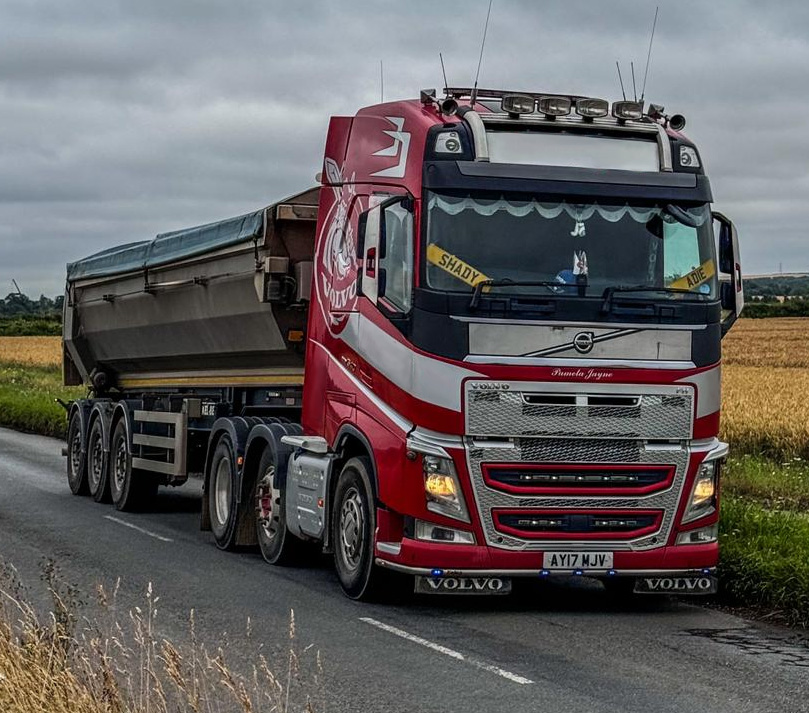
Traction-only haulage — sometimes called sub-hire traction, tractor unit hire, or simply "trunking traction" — is the practice of contracting a tractor unit and qualified driver from one operator to pull a trailer owned by another. The customer keeps the trailer, the brand, the customer relationship and the load. The traction supplier provides the unit, the driver, the fuel, the insurance, the maintenance and the compliance.
It is one of the most-used and least-discussed arrangements in UK road transport. This is when it makes commercial sense and when it doesn't.
What traction-only actually means
A typical contracted traction-only job runs like this. The traction supplier dispatches a tractor unit with a fully-compliant driver to a designated trailer location — typically a customer depot or a third-party site. The driver couples up, runs the trailer to its delivery destination on the customer's planned route, drops it, and either returns with a different trailer or comes back empty depending on the job.
The customer's trailer, paperwork, customers and loads stay with the customer. The tractor unit and driver are supplied on a day-rate, weekly, or contracted basis. Tachograph compliance, drivers' hours, walk-around defect reporting, vehicle maintenance and operator-licence risk all sit with the traction supplier.
The commercial case
A single new Euro 6 tractor unit, road-licensed and insured, sits between £100,000 and £130,000 to acquire before a wheel turns. Add a driver's annual salary, training, holiday and sick cover, and the all-in cost of one in-house tractor combination ticks up rapidly. For an established operator with predictable mileage, this is straightforward — the unit pays for itself across an expected service life.
What in-house ownership does not handle well is variable demand. Seasonal peaks, contract wins that arrive ahead of schedule, vehicles off the road for major maintenance, recruitment gaps — these create capacity needs that don't justify a permanent tractor or a permanent driver. Traction-only haulage is the structural answer to that variability.
When traction-only makes sense
- Seasonal peaks. Retail trunking through Q4, agricultural movements in harvest season, construction peaks during the summer programme. Hiring traction beats hiring a permanent driver.
- Cover for maintenance and downtime. When a tractor unit goes off the road for inspection, repair or upgrade, traction cover keeps the trailer working.
- Testing new operational lanes. Before committing to a permanent tractor unit on a new route, a contracted traction arrangement de-risks the decision.
- Specific compliance requirements. Some customers require accredited operators (FORS silver, for example) for inbound haulage. Sub-hiring to a compliant traction supplier inherits the accreditation.
- Driver recruitment gaps. When an in-house driver moves on, traction cover bridges the recruitment lead time without service interruption.
When you should still buy your own
Traction-only haulage is not a universal answer. If you operate predictable, high-utilisation, contracted mileage on lanes you control, the unit cost of in-house tractor ownership is almost always lower per mile than sub-hire. The break-even point varies by operator and route, but a useful rule of thumb is: if a tractor unit will run for more than around 60% of its potential weekly mileage on confirmed work, owning the unit usually beats hiring traction for it.
Choosing a traction-only partner
For trailer-owning hauliers evaluating a traction-only supplier, focus on:
- Driver employment status. Directly-employed drivers behave differently from agency drivers. They are vetted, trained and accountable through the supplying operator. Specify directly-employed only.
- Compliance administration. The point of sub-hire traction is that operator-licence risk transfers to the supplier. Confirm in writing that tachograph data, drivers' hours and walk-around defect reporting are administered by the supplier.
- Vehicle presentation and Euro 6. The tractor will pull your trailer to your customers. Vehicle condition and emissions compliance matter for clean air zones and customer perception.
- Flexibility on contracted vs ad-hoc. A good traction supplier offers both — daily rates for one-off cover and contracted weekly or monthly arrangements for predictable peaks.
Loaden Haulage provides traction-only haulage from a Bedfordshire base across the UK, operating directly-employed drivers in Euro 6 Scania and DAF tractor units. To discuss a specific traction requirement, talk to the planning team or read more about the traction-only service.